
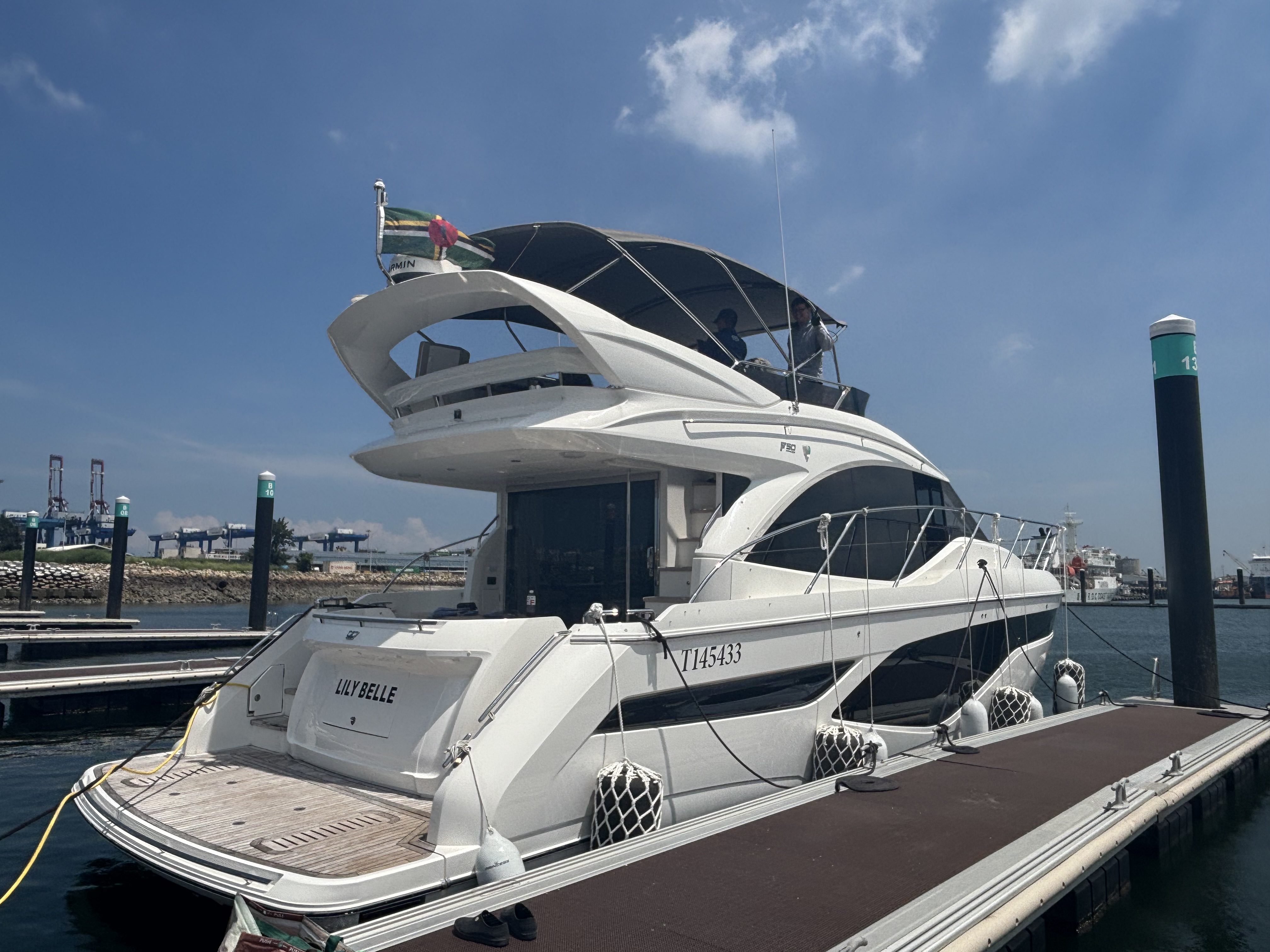
Transparent Nano Coating for Yacht Interiors and Exteriors
Plan by area for hulls, wooden decks, metal, and interior materials to make cleaning and maintenance easier for owners and management staff.
Schedule an On-Site Needs AssessmentFirst, let us understand your materials and needs
A yacht’s hull, wooden deck, handrails, and cabin furniture each face different conditions of use and cleaning. We first review the materials, existing finishes, and mooring and usage conditions, then plan cleaning and preparation followed by transparent nano protection in defined areas. This provides clear reference points for appearance care, scheduling, and ongoing maintenance.
- Maintenance of yacht and recreational boat hull exteriors, upper deck areas, and interior surfaces
- Routine care or pre-delivery protection for yacht owners, yacht management companies, and marina operators
- Application to a single material or assessment and application across multiple materials throughout the vessel
Key Considerations for Service Planning
Organize maintenance guidance by material to make ongoing care easier for owners and cleaning staff.
Before application, carry out a test to confirm appearance, feel, and acceptable color changes.
Specify the application areas, curing time, return-to-use timing, and warranty terms for each area in advance.
Assessing Each Material Individually
Hull Exterior and Existing Topcoat
First check the gelcoat, topcoat, oxidation, and old protective layers, then assess cleaning and appearance protection.
Pre-Installation Checks:Deep oxidation, cracks or damage, polishing, or repainting needs must be listed separately. Areas below the waterline require separate confirmation.
Natural Wood Decks, Such as Pine
Confirm the wood type, existing maintenance products, and moisture condition; carry out a test to observe the grain and color.
Pre-Installation Checks:Confirm the feel of wet areas, walking requirements, curing time, and cleaning methods together.
Metal Handrails and Fittings
Identify whether surfaces are stainless steel, plated, or painted, and assess salt, stains, and surface condition.
Pre-Installation Checks:Confirm how existing rust, damaged plating, looseness, and safety defects should be addressed first.
Glass and Cabin Leather and Fabrics
Check each material and its cleaning requirements separately, and test compatibility on a small area.
Pre-Installation Checks:Include transparency, feel, and the original appearance in the test application; do not use one product across the entire vessel.
What needs to be confirmed before installation?
- First identify the materials—such as the hull, wooden deck, metal, glass, and leather—then select compatible products and methods for each area.
- Nano surface protection does not replace hull repairs, repainting, rust remediation, waterproofing, or antifouling work on the hull bottom. Areas below the waterline and those subject to long-term immersion require a separate assessment.
- Plan dock access, boarding routes, weather, ventilation, and curing by section in advance, and confirm restrictions on walking areas and equipment use.
Four Steps from Assessment to Completion
Assess materials and requirements across the entire vessel
Provide the vessel type, mooring location, photos, and areas you would like to improve so we can confirm whether the work will cover selected areas or the whole vessel.
Test applications by area and quotation
Confirm existing finishes, preparation, the appearance of test applications, and work routes; list costs and delivery conditions for each area.
Protect, clean, and apply products according to material
Schedule the work around the vessel schedule and weather, then protect adjacent equipment, clean, and apply protection according to the confirmed plan.
Inspection and vessel care handover
Review the results area by area and provide records of curing, return-to-use timing, routine cleaning, and warranty coverage.
How are installation costs assessed?
We provide a quote based on the site conditions and confirmed scope. Key considerations include:
- Vessel type and length, the area of each material, and whether the work covers the whole vessel or selected areas
- The workload involved in surface contamination, oxidation, existing protective coatings, cleaning, and any necessary test applications
- Mooring location, boarding and work conditions, protection measures, and the vessel schedule that can be accommodated
Post-Installation Care and Warranty
Provide cleaning tools, products, and curing arrangements suited to the materials in each area. After use, clean off seawater salt and contaminants in accordance with the vessel and product guidelines. Regularly inspect areas subject to high friction, sun exposure, and repeated cleaning. Confirm any touch-up work and warranty separately according to the product, material, and terms agreed for this project.
Warranty coverage is confirmed individually based on the product used, material, and installation scope. Applicable conditions and exclusions are governed by the written agreement.
Related Installation Projects
Yacht LILY BELLE — Inside-and-Out Transparent Nano Coating Protection
View the requirements, installation plan, and results →Cost and Care Guide
Service contact, report inquiries, and warranty confirmation →Product Applicability Information
The manufacturer’s information below is provided to help you understand the product’s intended applications. The product used, compatibility, installation conditions, and warranty for your project must still be confirmed according to the project plan.
Original manufacturer information on multi-material vessel protection ↗FAQ
Can I have only the deck or metal railings treated?
You can first tell us which areas you would like treated. The team will confirm the material, existing treatments, area, and working conditions, then assess the work and how to protect adjacent areas.
Is the same coating used on every part of the vessel?
We do not apply a single plan based only on the total vessel area. Compatibility and care requirements should be checked separately for the hull, wooden deck, metal, glass, leather, and fabric.
Will a transparent coating definitely leave the appearance and feel unchanged?
A test application is required first. Wooden decks, matte finishes, and leather in particular may show different colors, sheen, or feel depending on the material and its existing treatment. Confirm the result before applying over a large area.
How soon can the vessel set sail after the work?
Curing and return-to-use times must be confirmed based on the actual product, weather, ventilation, and work area. Please provide the vessel schedule in advance so the team can plan the work and handover.
Can the LILY BELLE warranty be applied directly to my vessel?
The warranty for that case applies to the terms agreed for that project and cannot be applied directly to your vessel. Your vessel will be assessed separately according to its materials, scope, use, and maintenance conditions, and the terms will be listed in the written plan.